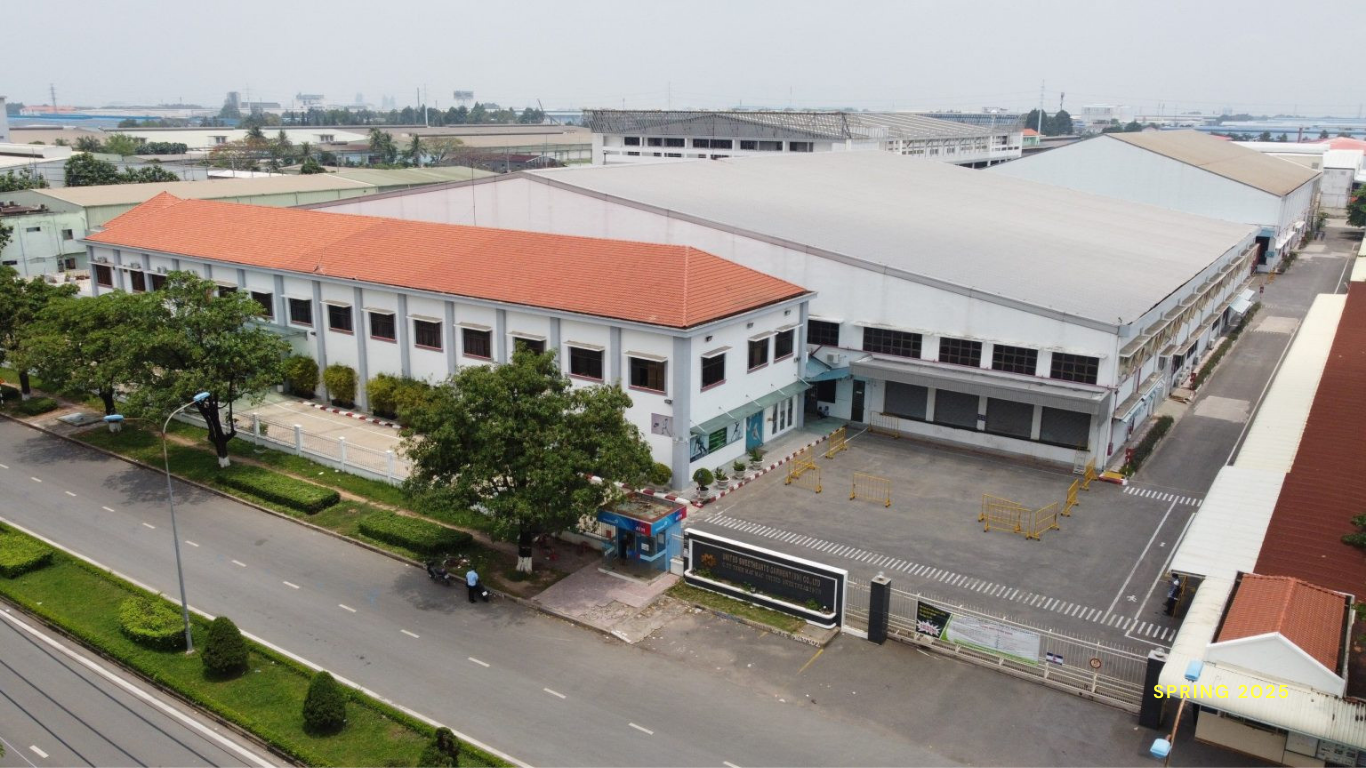
Sourcing
Our sourcing service covers the following:
- Consulting, Factory introductions
- Factory visits
- Price quotes
- Design and merchandising
- Quality control
- Factory audits/assessment
- Logistics
Consulting & factory introductions
Studying the client’s sourcing requirements then creating an appropriate sourcing strategy.
Identifying viable supplier(s) based on quality, cost and delivery requirements of the client.
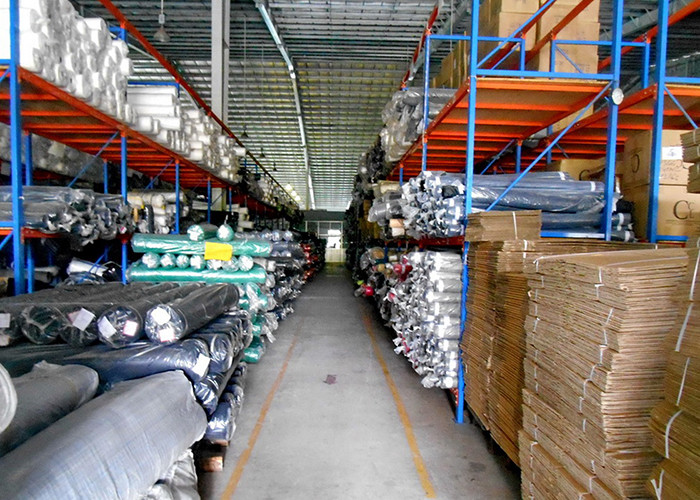
AVODA listens to your needs and suggest solutions. We explain production issues related to Vietnam like meeting minimum order quantities, getting samples made, negotiating price and arranging shipments. We can provide guidance to improve quality, increase productivity and meet social and environmental compliance for the factories you work with. We can also give business and legal advice for setting up a factory or office in Vietnam.
Factory Visits
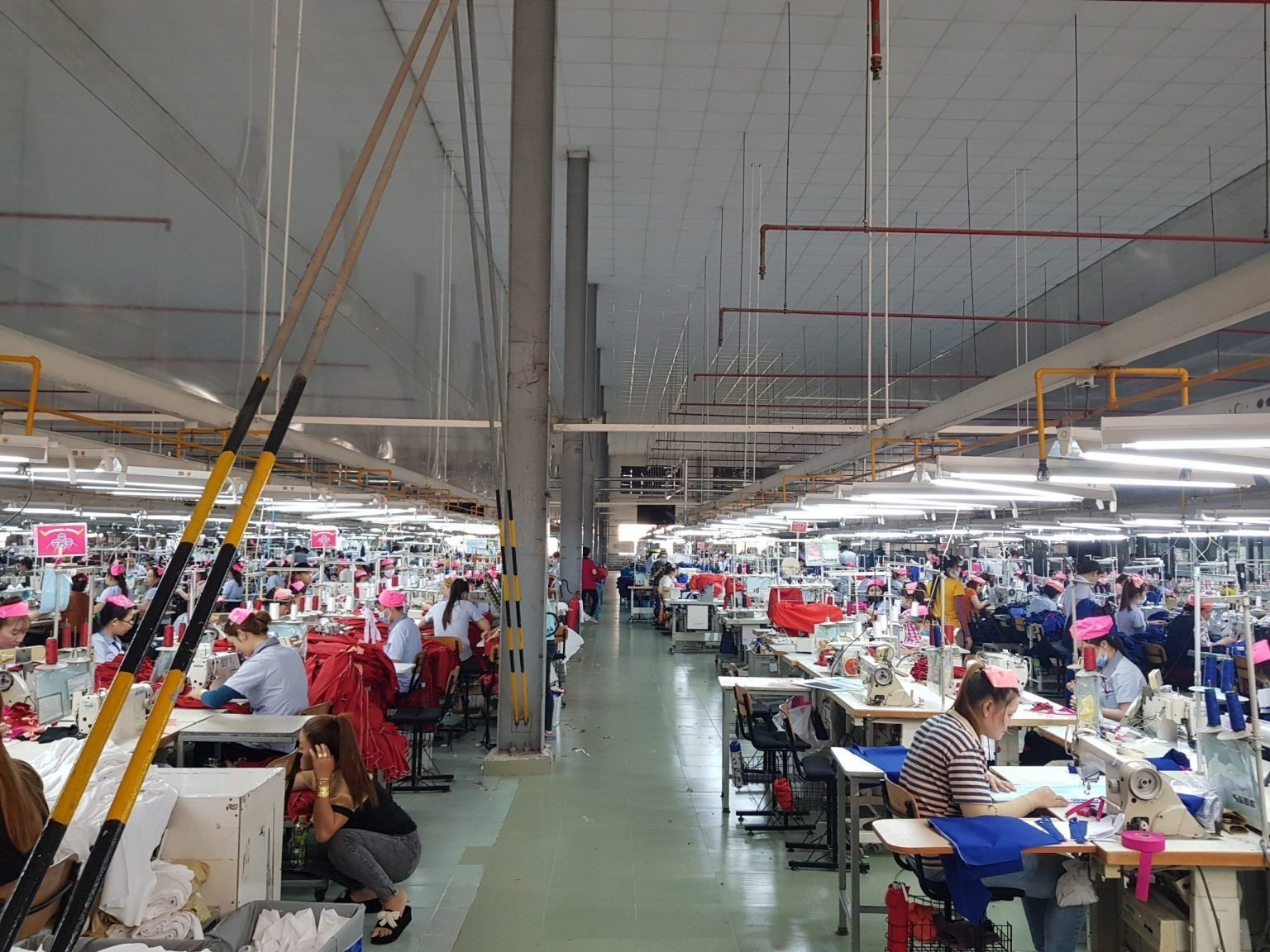
If you are able to travel to Vietnam, AVODA will arrange meeting times, transportation and accommodation. We will choose the quickest routes to visit 4 -5 factories in a day. When you arrive, you will work directly with the factories. AVODA speaks Vietnamese and English, we will help with translation if needed.
Get a price quote!
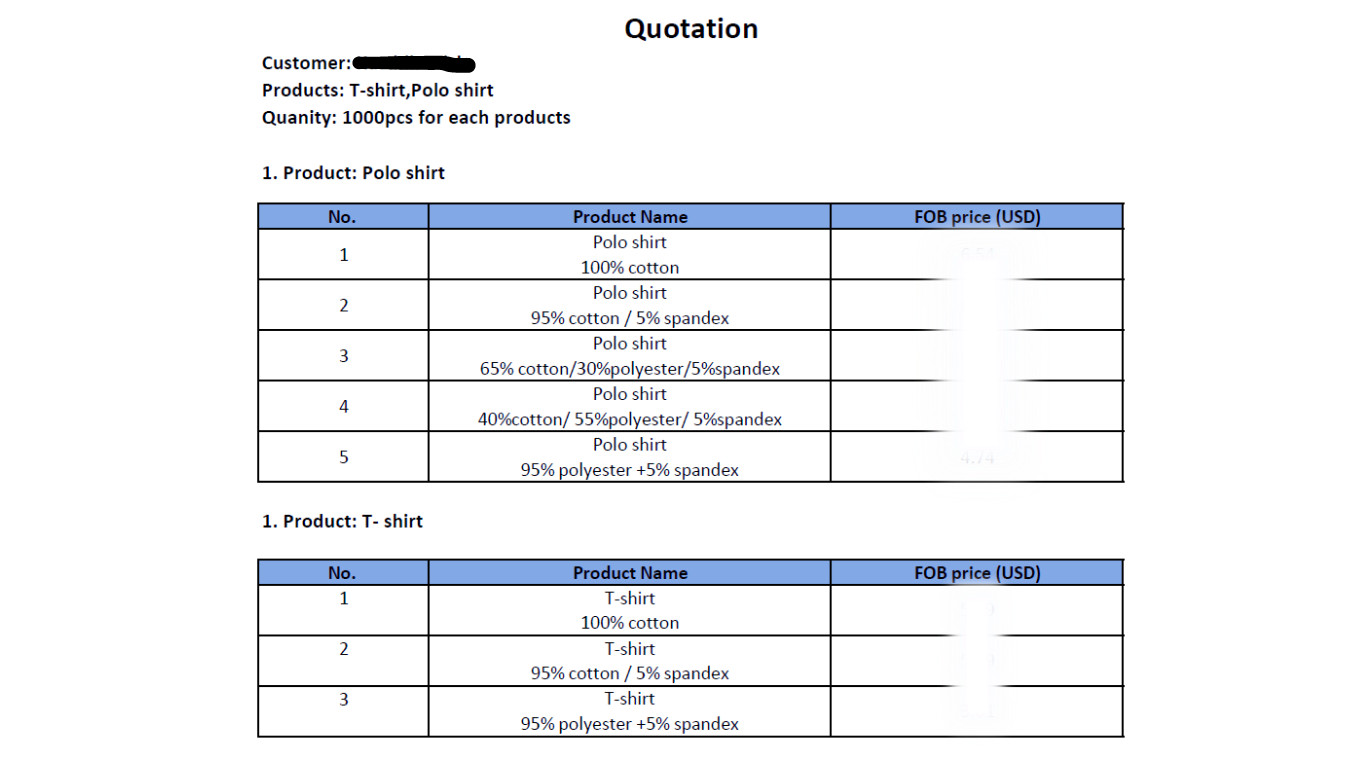
AVODA will work on your behalf with the factory to get a inital price quote. You will be CC'd in all the correspondence during the process. Once the inital estimate is done, then you can communicate directly with the factory as needed.
Quality Control Team
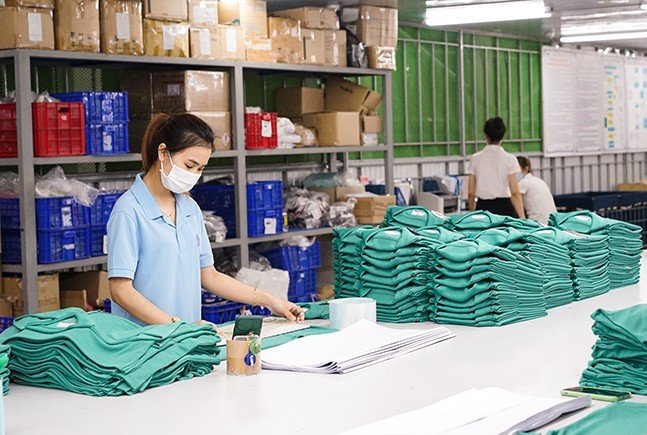
An inspector will regularly take a sample of the production. The sample is graded according to the apparel’s Acceptable Quality Limits (AQL) specifications or the customer requirements. The samples are randomly inspected for defects according to these standards and procedures. The following are some principles of quality control in garment industry that we abide.
-
Apparel Quality Control in Pre-production Pre-production apparel quality control is conducted before the production starts. It covers the inspection of fabric and garment samples before they are cut into larger pieces or sewed together. It includes checking if the fabric meets the required standards for:
Colorfastness properties Texture Technical properties Durability properties Detect any loose threads or holes on seams -
Apparel Quality Control During Production Inspection during production is integral to ensuring that garments are produced to meet customer expectations and specifications. These production garment inspections are typically done when around 15-20% of the merchandise has been completed, and they can be done in different ways, including:
Visual inspection (e.g., assessing cutting, assembling parts, sewing). Measurement. Destructive testing. -
Quality Control of Finished Garments (Pre-shipment Inspection) Quality control of finished garments is an inspection before the merchendise are shipped to the customer and is done when at least 80% of the order has been packed for shipping. This process helps to detect any defects and reduces the risk of complaints from customers.
The inspection process typically includes: visually inspecting the garment for any flaws visible to the human eye finished product, checking the labeling, and counting the items in the production lot
Logistics
AVODA has a reliable supply chain and logistics system to ensure the timely and efficient delivery of products. We offer various transportation modes for international shipping, including land, sea, and air transport. Established courier services such as UPS, EMS, and DHL are used for sending samples, with a flat fee covering both freight and handling. For bulk production shipping, Deepwear provides air and sea freight options with delivery times of 5 days and 1 month, respectively. Door-to-door delivery is also available, which uses reputable courier services such as UPS or FedEx with a delivery time of 3 days. We can also advise on trusted cargo companies for air and sea freight. And aside from that, we are also willing to work collaboratively with our customer’s chosen transport operators.
Conclusion
- Study client’s sourcing requirement /brief and create an appropriate sourcing strategy.
- Identify viable supplier(s) based on quality, cost & delivery requirements of the client.
- Review item information.
- Establish procurement plan.
- Supplier Short listing & Verification
- Create & issue RFQ (Request for Quotation) packages to suppliers.
- Negotiation: Using our multilingual negotiators and eliminating middlemen, we can often reduce prices by 5% to 50%.
- Convert received supplier quotation(s) to standardized form for review & approval by client.
- Obtain any Non-disclosure, or other necessary agreements, required to introduce and/or move business prospects forward with supplier(s).
- Provide the client with product, item and factory quality reports.